
The Corruption and Fragility of Childhood
The Turn of the ScrewThis flow traces the novel’s unstable contrast between idealized innocence and the possibility that children have learned secrets from adults.
increasing Bearing strength in each event
 decreasing
Bearing strength in each eventdecreasingThe Angelic First Impression
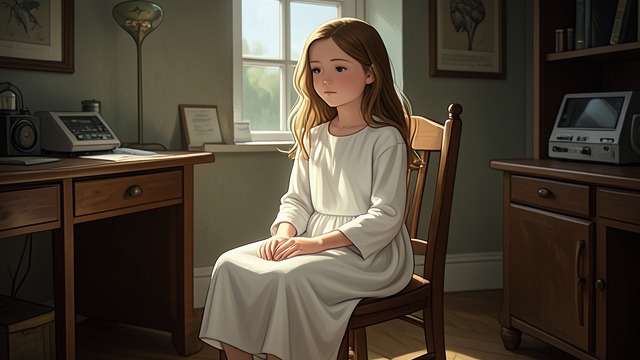
Childhood Idealized
Flora’s Beauty
The Governess sees Flora as nearly angelic and takes her apparent serenity as a guarantee of goodness.
A Model Household
She initially believes the children’s charm can make her employment a happy life.
The ideal places childhood beyond ordinary moral complexity before the story begins to challenge it.
Miles’s Exquisite Manner
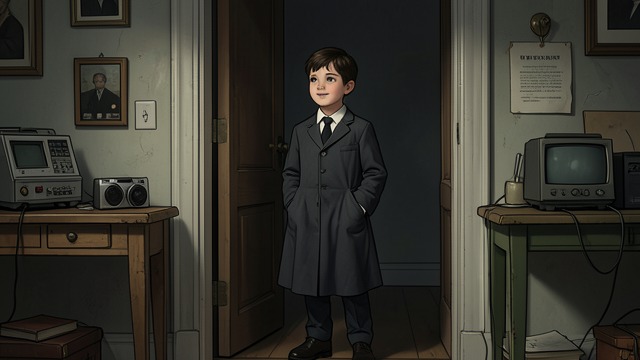
Innocence Against Accusation
A Beautiful Boy
Miles appears loving, clever, and untouched by hardship, despite having been expelled.
Judgment Deferred
The Governess lets his sweetness outweigh the unexplained decision of the school.
The contrast asks whether outward charm proves innocence or makes difficult questions easier to avoid.
Adult Influence Recalled
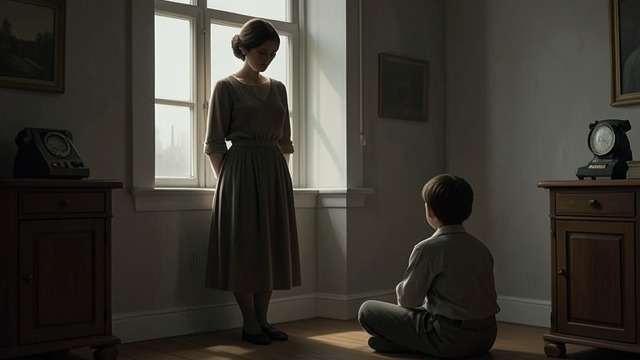
Boundaries at Bly
Quint and the Children
Mrs. Grose recalls Peter Quint’s prolonged closeness to Miles and the adults’ failure to control it.
A Damaged Protection
The previous household may have exposed children to conduct they were not equipped to understand.
This history shifts the question from innate childhood innocence toward the consequences of adult neglect and power.
Goodness Reinterpreted
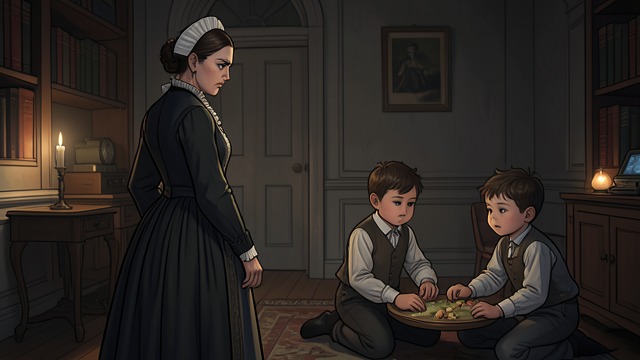
Innocence as Possible Performance
The Governess’s Suspicion
She begins to describe the children’s goodness as a game and their silence as deliberate fraud.
An Uncertain Child
Their conduct may reflect strategy, fear, ordinary reserve, or the Governess’s growing obsession.
The story refuses to make the children’s apparent virtue or alleged corruption fully transparent.
An Unresolved Rescue
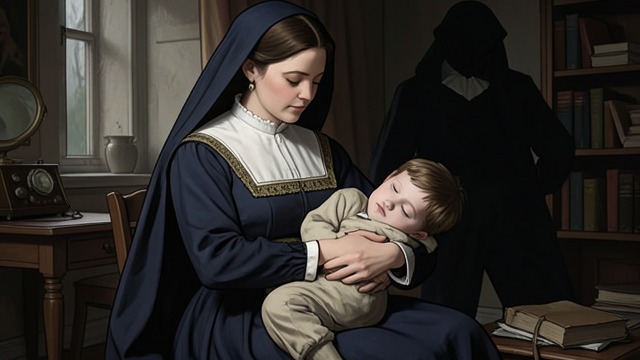
The Cost of Saving
A Child Under Pressure
The Governess believes Miles is endangered by Peter Quint and demands that he acknowledge the apparition.
A Fatal Embrace
Miles dies while she holds him, and the reader receives no independent explanation of his death.
The ending makes the protection of childhood inseparable from the risk of adult misinterpretation and coercion.
The Governess’s first days with Flora
When Miles returns from school
During the Governess’s questioning of Mrs. Grose
During the autumn period of secrecy
The final scene
